


Electric Storage Water Heater (Geyser): Will Plastic Shells Replace Metal Shells as the Mainstream?
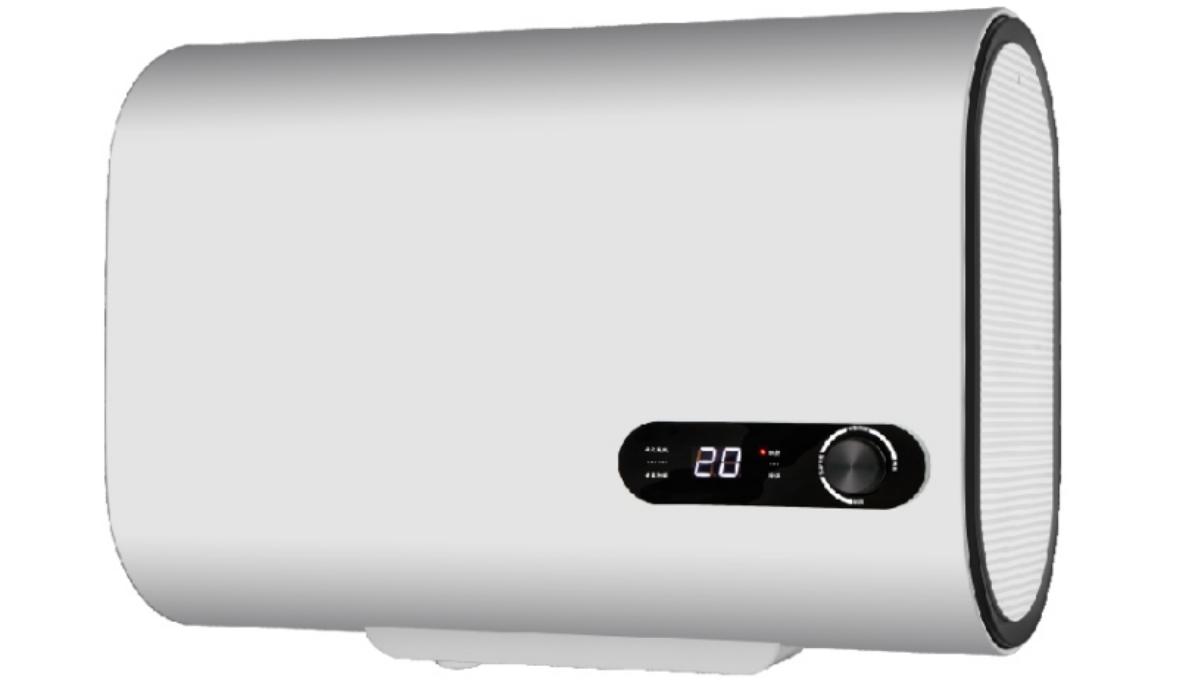
For decades, the electric storage water heater, commonly known as the geyser in many markets, has been instantly recognizable by its cylindrical metal shell, usually made of painted steel. That familiar look is so deeply associated with the product that buyers often judge the quality of a heater by the weight and feel of its outer casing. Yet the industry is changing. As manufacturing technology advances, raw material costs fluctuate, and export competition intensifies, more manufacturers are exploring plastic outer shells as an alternative. Could plastic replace metal as the mainstream choice for the geyser shell? This article examines the question from four angles: cost, safety, lifespan, and CKD (completely knocked down) shipping, and closes with a balanced summary of the strengths and weaknesses of each material.
Cost
From a pure manufacturing standpoint, plastic shells do not necessarily require injection molding. A common alternative is sheet-based forming: plastic sheets are cut to size and then formed into the cylindrical shell shape, with the seam joined by ultrasonic welding. Because this process needs no injection mold, there is no mold tooling cost and no large tooling investment to amortize over long production runs. Plastic is also lighter than sheet metal, which reduces the raw material weight used per unit. Metal shells, by contrast, rely on stamping, bending and welding, which involve lower initial tooling costs but more labor-intensive assembly and finishing, including deburring, surface treatment and painting. Taking the full picture together, plastic shells are generally cheaper overall than metal shells. The cost advantage is also friendlier for smaller buyers: because no expensive mold has to be amortized, the MOQ for plastic shells can be set lower, which is attractive to importers and engineering companies that want to test a market before committing to large quantities.
Safety
Safety is the most important consideration for any appliance that encloses both water and electricity. Metal shells are conductive, which means proper grounding is essential; when correctly earthed, the metal shell can provide a protective path in the event of an internal fault and help trip protection devices. Plastic shells are inherently electrically insulating, which reduces the risk of electric shock from the outer surface, an advantage for consumer safety, especially in households where the earthing system may be unreliable. However, the plastic grade must be carefully selected for heat resistance, flame retardancy and mechanical strength, because the shell sits close to the heating element and the inner tank and must withstand years of heat cycling without deforming or discoloring. Flame-retardant compounds and proper wall thickness design are necessary to meet fire-safety expectations, and the material’s behavior in a fire scenario should be validated through standard testing. Neither material is inherently safer on its own: both can be engineered to meet safety expectations, but each demands different design discipline and different verification efforts.
Durability and Lifespan
The metal shell of a traditional geyser is appreciated for its rigidity and impact resistance. A metal shell will not crack under normal handling, can protect the inner tank from external damage, and retains its shape even when the appliance is bumped during installation or transport. Its main weakness is corrosion: even with a good paint system, scratches can expose the steel to humidity and lead to rust over time, especially in coastal or high-humidity environments. Plastic shells are resistant to corrosion and will never rust, which is a meaningful advantage in humid climates, but they are more susceptible to scratches, UV degradation, and long-term creep under sustained heat. Some engineering plastics can retain good mechanical properties for many years, but their aging behavior must be validated over the product’s expected service life through heat-aging and stress tests. The lifespan of the shell itself is only one part of the story, because the inner tank, insulation and heating elements usually determine the overall service life of the heater; still, a shell that cracks, warps or discolors early will undermine the perceived quality of the whole product. Overall, for the outer shell itself, plastic can match or exceed metal in corrosion resistance, while metal retains an edge in mechanical robustness.
CKD Shipping Advantage
One often overlooked advantage of plastic shells is their suitability for CKD (completely knocked down) shipping. A metal shell is normally formed as a rigid cylinder that consumes a large amount of cargo volume, and its shape cannot be collapsed without sacrificing strength. A plastic shell, by contrast, can be designed as a split-shell concept, with front and rear halves that nest or stack flat during transport. Shipping the shells as flat, stackable parts dramatically reduces the cargo volume occupied by the outer casing, which lowers freight costs. It is worth noting that CKD flat shipping does not by itself change the customs duty: import duty is still assessed on the declared value of the goods in the normal way, so the flat-packed plastic shells do not add any extra duty burden. The real saving comes from better container utilization and lower freight volume. This is especially attractive for manufacturers exporting to regions where local assembly is preferred for regulatory or tax reasons. CKD assembly also creates local jobs and can strengthen the brand’s position in the target market. For exporters who already ship heaters in CKD form, switching from a one-piece metal shell to a two-piece plastic shell can visibly improve container utilization and reduce the landed cost per unit.
Metal Shell: Pros and Cons
Advantages: a proven manufacturing base, high rigidity, good impact resistance, an established grounding-based safety practice, and a long track record of consumer trust. Disadvantages: heavier weight, corrosion risk, more complex finishing and painting, and bulky cylindrical shapes that are expensive to ship.
Plastic Shell: Pros and Cons
Advantages: lighter weight, corrosion resistance, electrical insulation on the outer surface, great design flexibility in colors, textures and shapes, split-shell configurations that are friendly to CKD shipping, and overall lower cost thanks to sheet-based forming that requires no injection-mold tooling. Disadvantages: heat and UV aging concerns, lower impact resistance in some grades, and the need for careful material selection and seam quality control to meet flame-retardant and long-life requirements.
Conclusion
Plastic shells are unlikely to fully replace metal shells in the short term, because the industry’s manufacturing base, safety practices and consumer expectations are all built around metal, and the change would require new forming and joining processes, new testing and new market education. But for certain product lines, especially those targeting CKD export markets, price-sensitive segments, or compact and modern designs, plastic shells offer real and growing advantages. The more likely future is a dual-track market: metal shells remaining mainstream for premium, high-capacity models where robustness and tradition matter most, while plastic shells gain share in economical, lightweight and CKD-oriented products. Whether plastic becomes the mainstream will depend less on material preference and more on cost competitiveness, safety validation, and proven long-term reliability in real-world use.